Before Daytona. Before Sturgis. Before the roar of motorcycles echoed across social media feeds — there was Laconia. Laconia Bike Week, held in New Hampshire every June, is the oldest motorcycle rally in the world. What began as a modest meetup of motorcycle enthusiasts over a century ago has grown into a legendary event that blends rich tradition with modern American motorcycle culture. As the 103rd annual Laconia Bike Week approaches, take a quick ride with us through the rally’s storied past.
#Motorcycle
Ride through history: Laconia Bike Week
An uphill climb
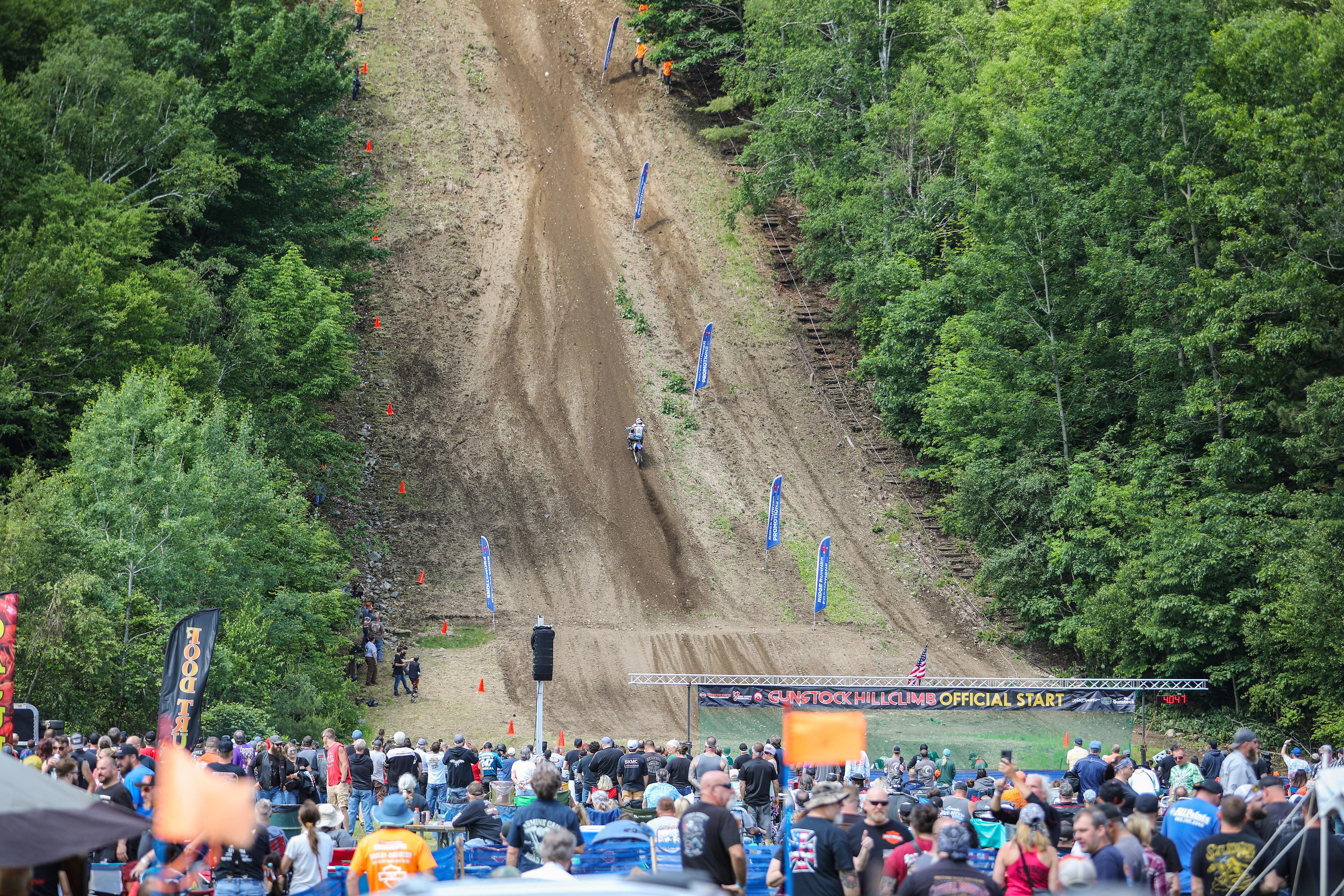
It all started in 1916, when around 150 motorcyclists rolled into Weirs Beach, New Hampshire for an unofficial gathering. Just a year later, the Federation of American Motorcyclists (FAM) recognized the momentum behind these early nomadic meetups and sanctioned the first official “Gypsy Tour” in Laconia — marking the first annual motorcycle event in 1917. Back then, Gypsy Tours weren’t just a ride — they were a movement. Riders from across the country would travel hundreds of miles, sleeping in tents under the stars, cooking meals over open fires, and arriving in droves at a chosen destination to celebrate the open road. It was part road trip, part festival, and part raw grit and skill.
From the start, Laconia stood for camaraderie and capability. Riders competed in endurance runs that stretched over 300 grueling miles of backroads and mountain terrain. Points were deducted for arriving too early or too late — timing, consistency, and technical skill mattered. Riders were even tested with “surprise” brake checks: a hidden flag would drop without warning, and failure to stop on cue could cost you a medal. Among the crown jewels of the early rallies was the Gunstock Hill Climb. Motorcyclists would thunder up the steep, wooded incline, tearing through dust, mud, and loose rock while spectators packed the hillside, some even climbing trees for a better view. It was chaos and competition in equal measure — a raw display of balance, horsepower, and courage. And it wasn’t just a man’s game. Women riders were part of the scene early on, though rarely highlighted in headlines at the time. They helped shape the inclusive spirit that still runs through the event today.
Rolling Forward
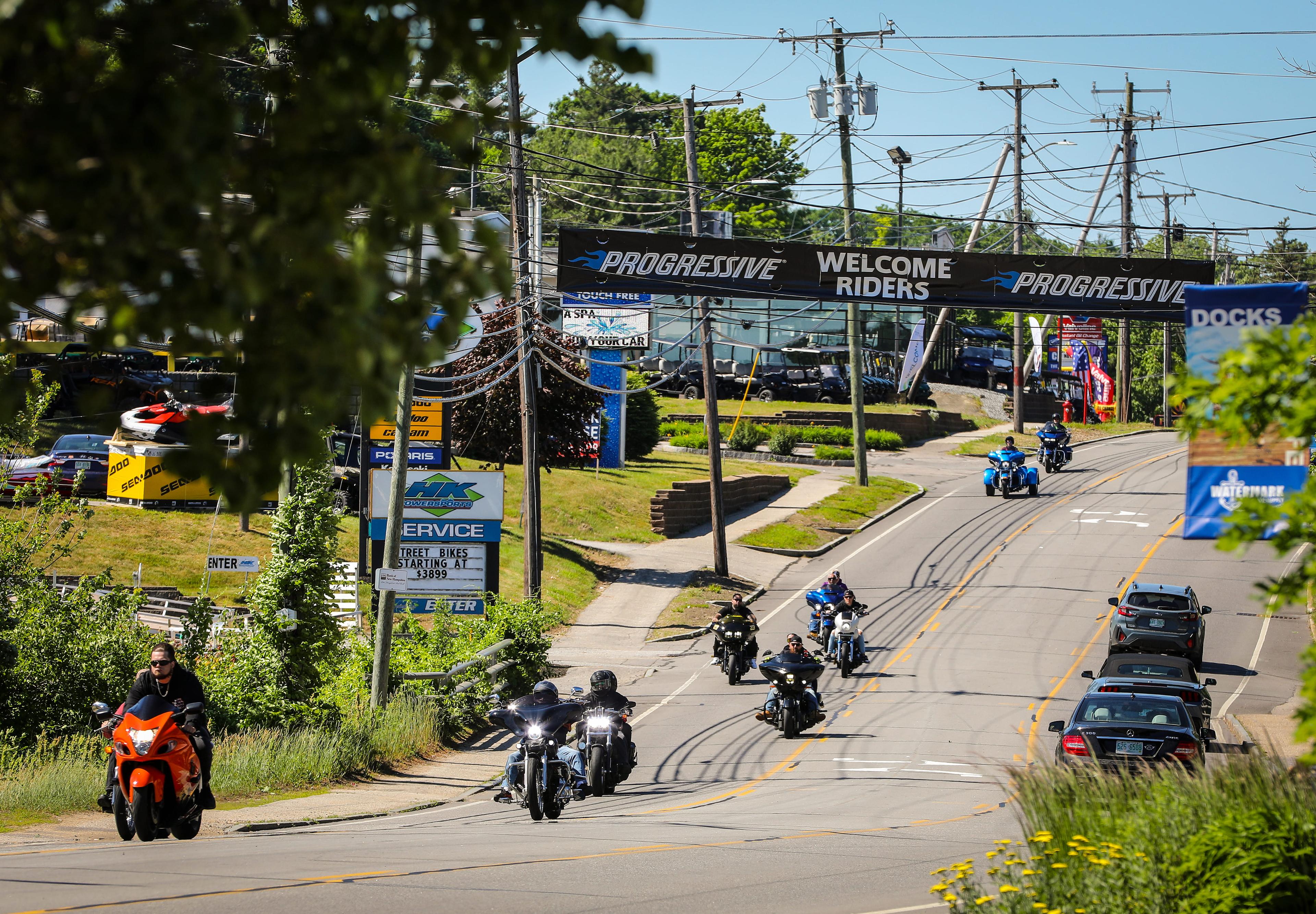
Through the 1920s and ’30s, Laconia’s reputation grew, fueled by the rise of American motorcycle culture. When the American Motorcyclist Association (AMA) replaced the FAM, it took over the Gypsy Tours and began formalizing the rallies. By the 1930s, Laconia was no longer just a meetup — it was a full-week celebration of speed, style, and community with organized races drawing crowds to Belknap Mountain Recreation Area (now Gunstock Resort). Like many large public gatherings, the event went on pause during World War II, from 1942 to 1945. After the war ended, the rally roared back to life stronger than ever. Returning veterans, many of whom had trained on motorcycles during their military service, brought a deeper passion and patriotism to the scene. Attendance surged, and the event became synonymous with freedom, rebellion, and the golden age of American riding.
By the mid-1960s, Laconia Bike Week was the place to be — drawing riders from every corner of the country. That momentum took a hit in 1965, when a riot broke out, leading to nearly 100 arrests and dozens of injuries. The fallout ushered in a wave of changes: tighter regulations, increased security, and a more subdued rally. Attendance dipped. The event was trimmed to a weekend format, and the national spotlight dimmed. But the spirit never left. By the 1990s, Laconia was back on the map with the week-long schedule restored and the event regaining its reputation as one of the Big Three motorcycle rallies in America.
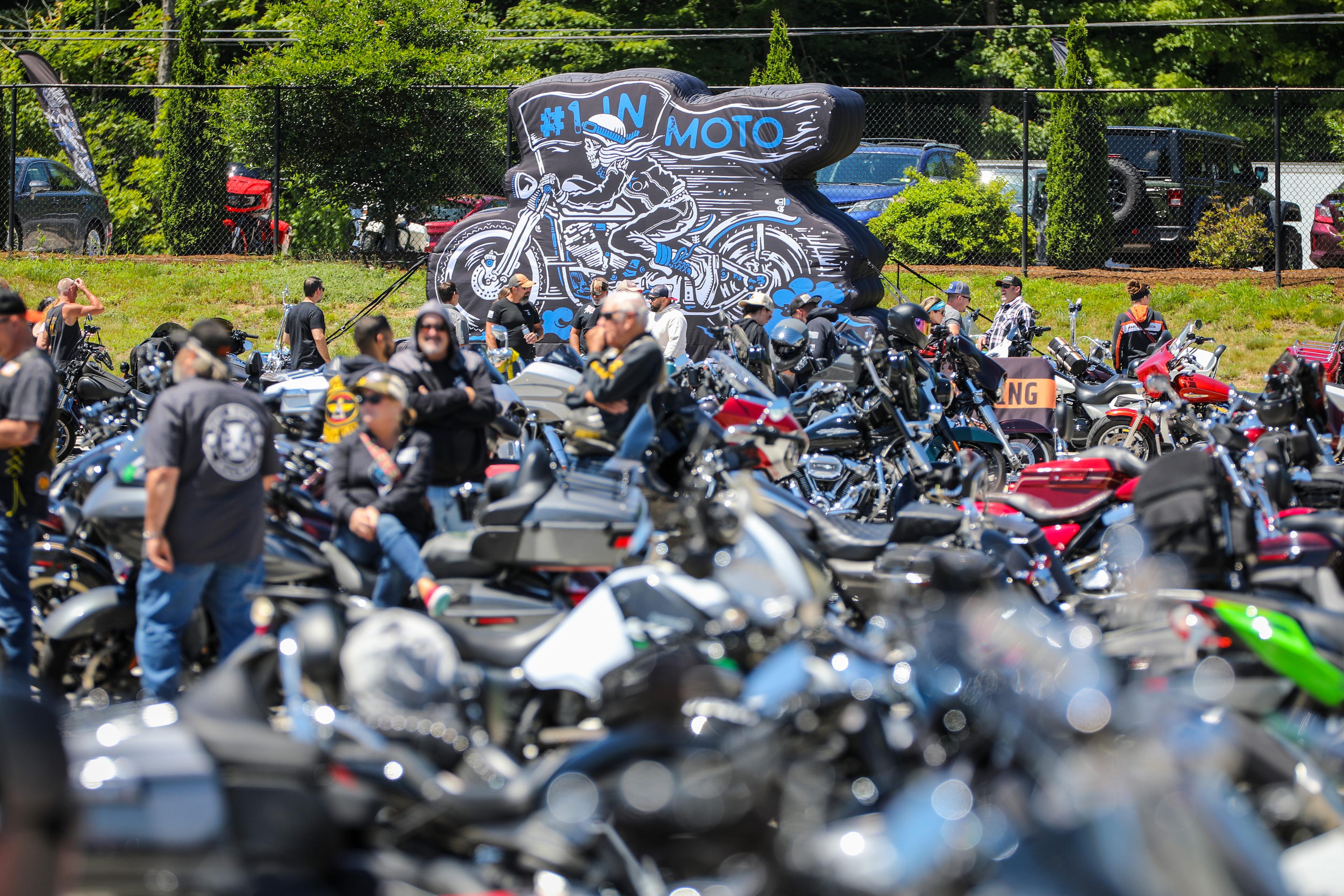
Today, Laconia Bike Week draws between 300,000 to 400,000 riders every year. And it’s not just about the bikes. The rally now infuses over $100 million annually into New Hampshire’s economy — with riders filling hotels, restaurants, breweries, and scenic overlooks throughout the Lakes Region. The town’s population multiplies nearly tenfold during the week, and businesses mark it as the unofficial start to summer.
What to see this year
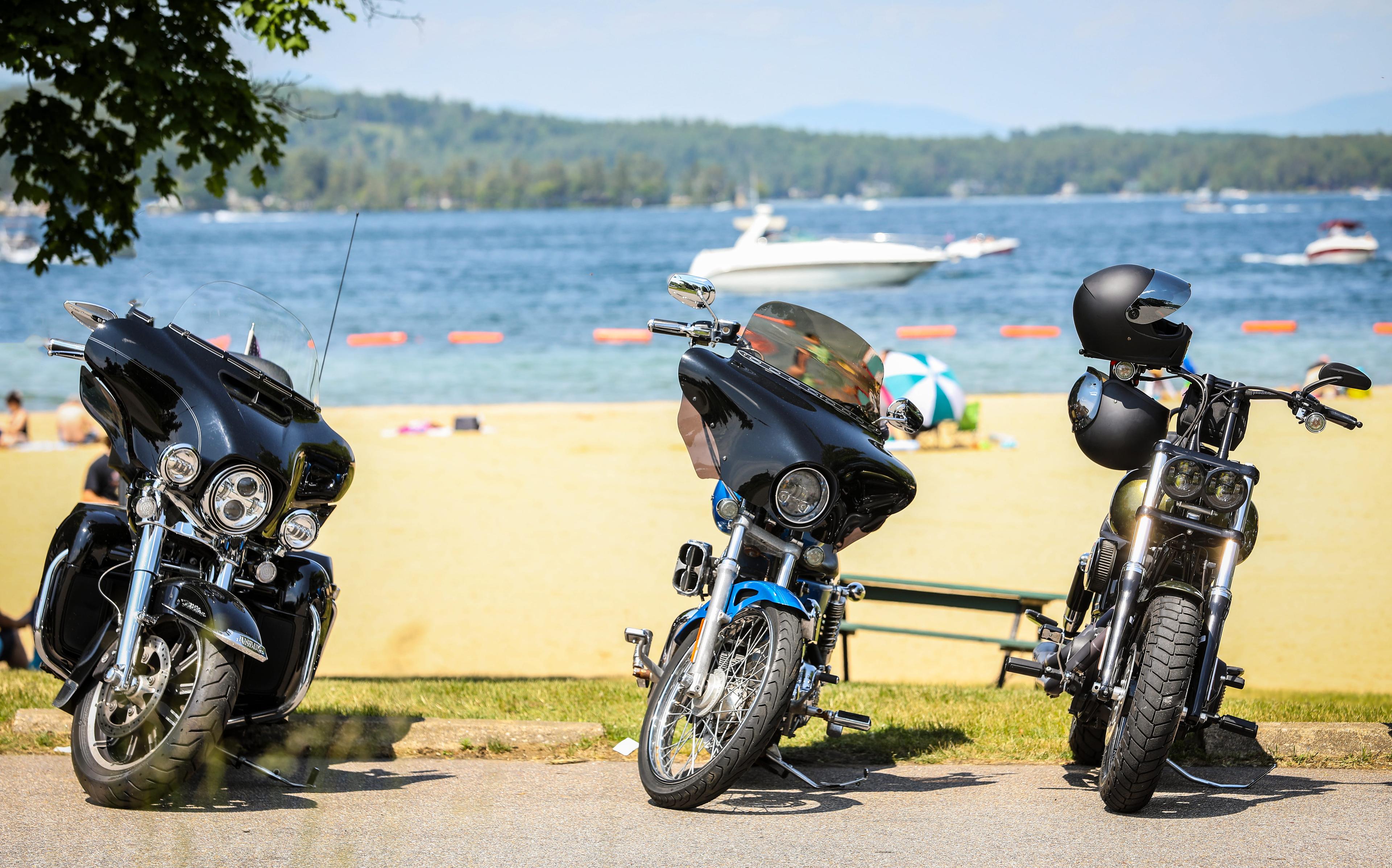
Vintage bike racing – Just like the rally itself, the bikes you’ll see at Laconia are legendary. The FIM North America Vintage Road Racing Championship at New Hampshire Motor Speedway mixes that legendary vintage style with high-octane excitement. It’s a living museum with polished chrome, leather saddlebags, and stories behind every engine. This year, there’s racing events June 12-14th and Gina Bovaird will kick off the weekend as Grand Marshal.
Hill climbs – Yes, the Gunstock Mountain Hill Climb is still going strong — now sanctioned and safer, but just as thrilling. Watch modern riders battle the incline with power and precision. There’s also a Tower Hill Climb that brings the event back to its roots at Tower Street.
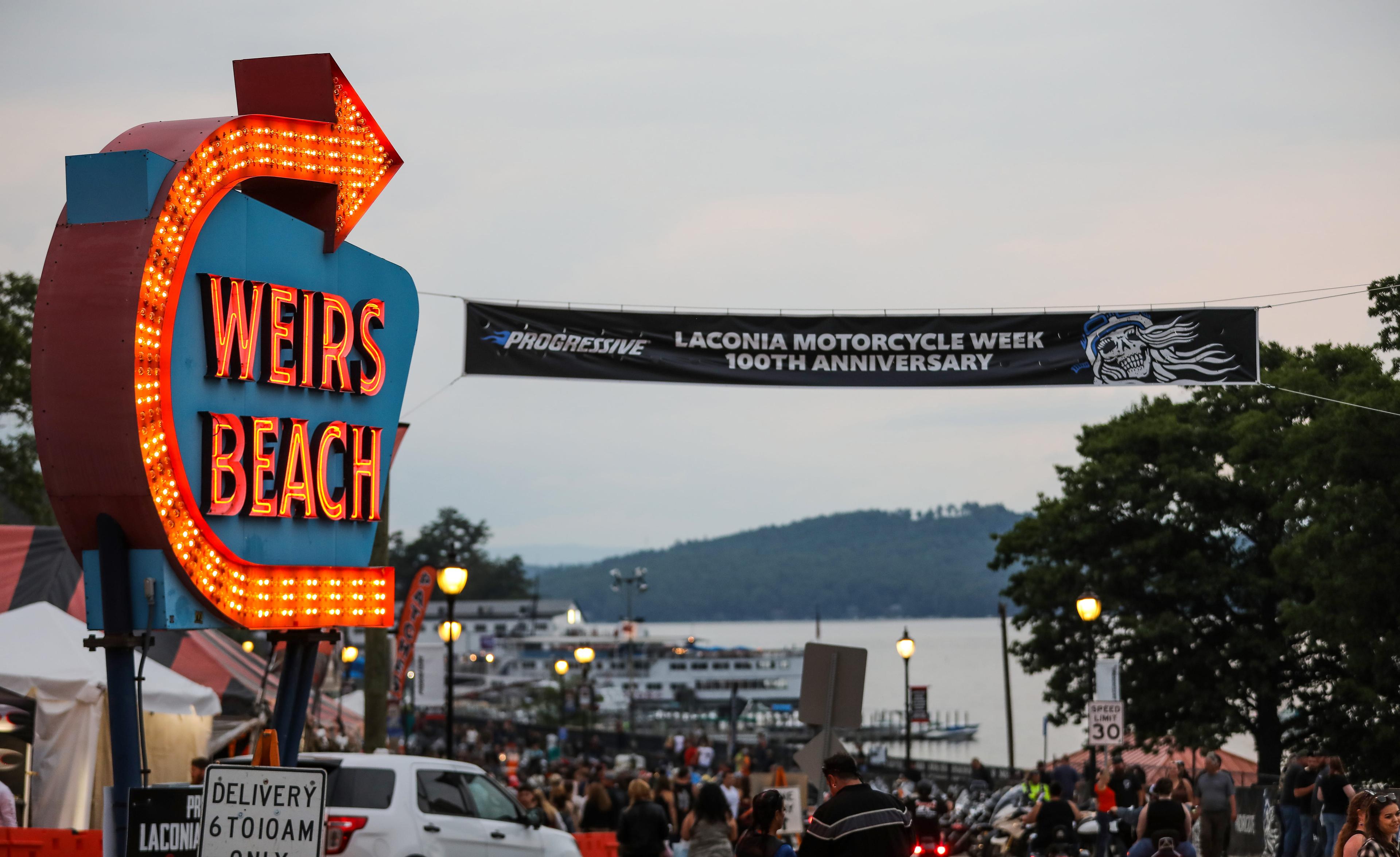
Live music and vendors – Downtown Laconia and Weirs Beach become motorcycle central packed with live bands, stunt shows, gear vendors, custom builders, food trucks, and tattoo artists. It's a full sensory experience — loud, flavorful, and fun.
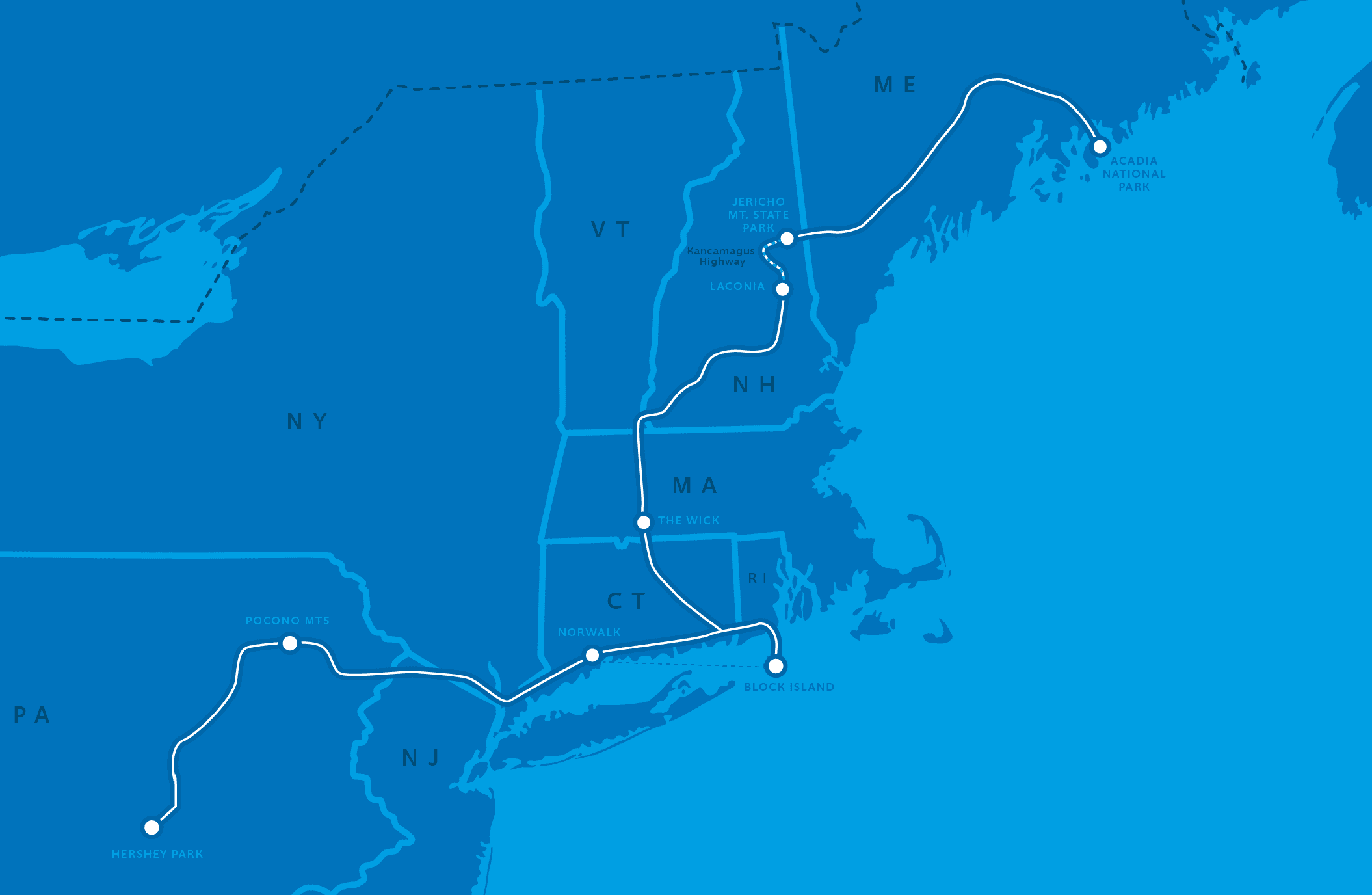
Group rides – One of the best ways to experience Laconia is on the road. Join iconic group rides like the Peter Makris Memorial Run, which supports local charities and honors fallen heroes. You can also carve your own path and explore the White Mountains or Kancamagus Highway — some of the most scenic rides in the Northeast.
Say hi!
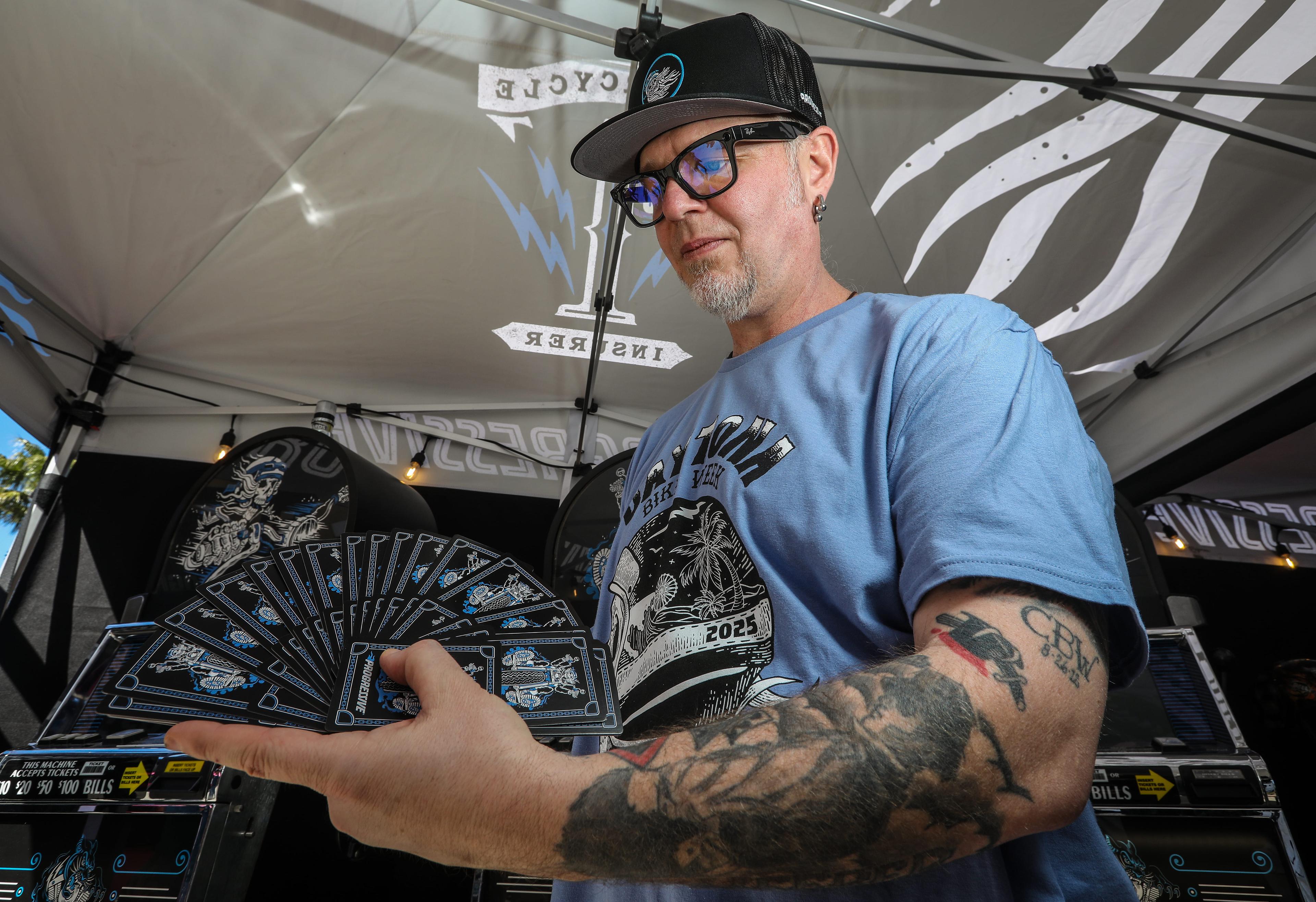
Of course we will be there. Adam, The Motorcycle Magician, will be blowing minds with close-up magic throughout the event. While you’re being wowed, press your luck and win exclusive prizes at the Progressive slots. Stop by, talk bikes with our team, and get a fast, no-pressure quote. Whether you’re looking to protect your ride or just curious what we’re all about, we’ve got you covered.
Laconia Bike Week is proof that passion for the ride doesn’t age. Some riders have been coming to Laconia for decades. Others are gearing up for their first trip. Whether you’re riding in on a brand-new touring bike or a well-worn classic, you’re part of something bigger when you roll through the New Hampshire mountains in June.